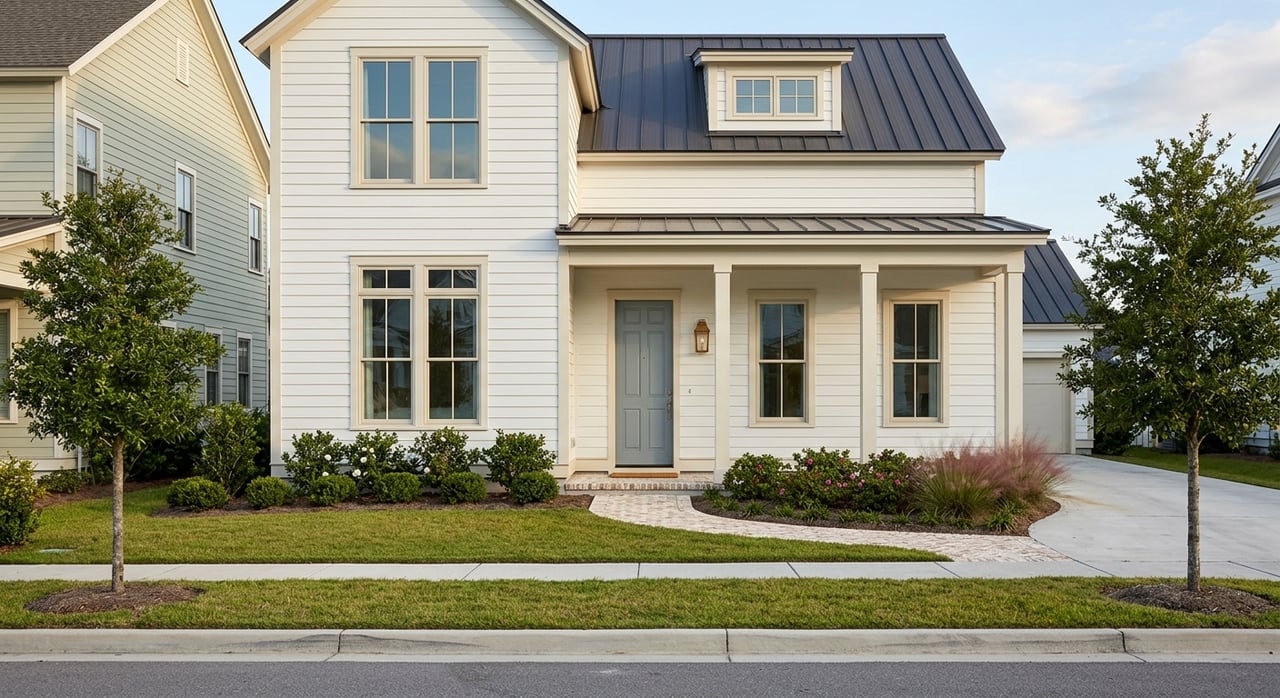
Trying to choose between a newer neighborhood and an established one in Fairhope? You are not alone. Many buyers love Fairhope’s charm, but the right fit often comes down to how you want to live day to day, what kind of home style you prefer, and how much structure you want in the neighborhood. This guide breaks down the key differences so you can compare your options with more confidence. Let’s dive in.
Why This Choice Matters in Fairhope
Fairhope is not a place where “new” automatically feels disconnected from “old.” The city’s planning approach favors walkable, connected neighborhoods with sidewalks, open space, and street trees. That helps even newer areas feel more tied to the community fabric than you might expect.
Location also plays a big role in how neighborhoods feel and how buyers value them. Fairhope’s downtown, public waterfront, Municipal Pier, parks, and trails shape demand, especially in areas close to those amenities. If you want easy access to everyday outings and a more connected feel, that can strongly affect which type of neighborhood makes sense for you.
For broader market context, current Fairhope data shows a median sold price of $475,000 and a median listing price of $649,900. That matters because both established and newer neighborhoods can sit above or below those numbers depending on location, lot size, and home type.
Established Neighborhoods in Fairhope
Character and Home Style
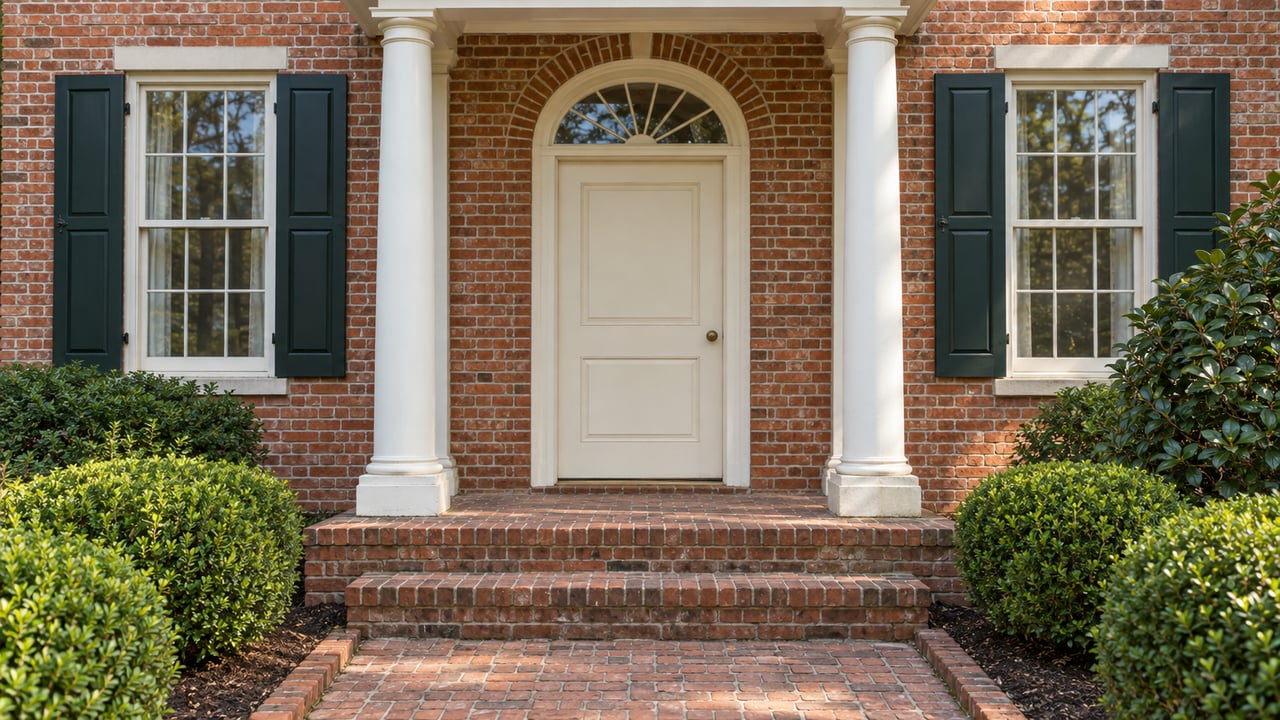
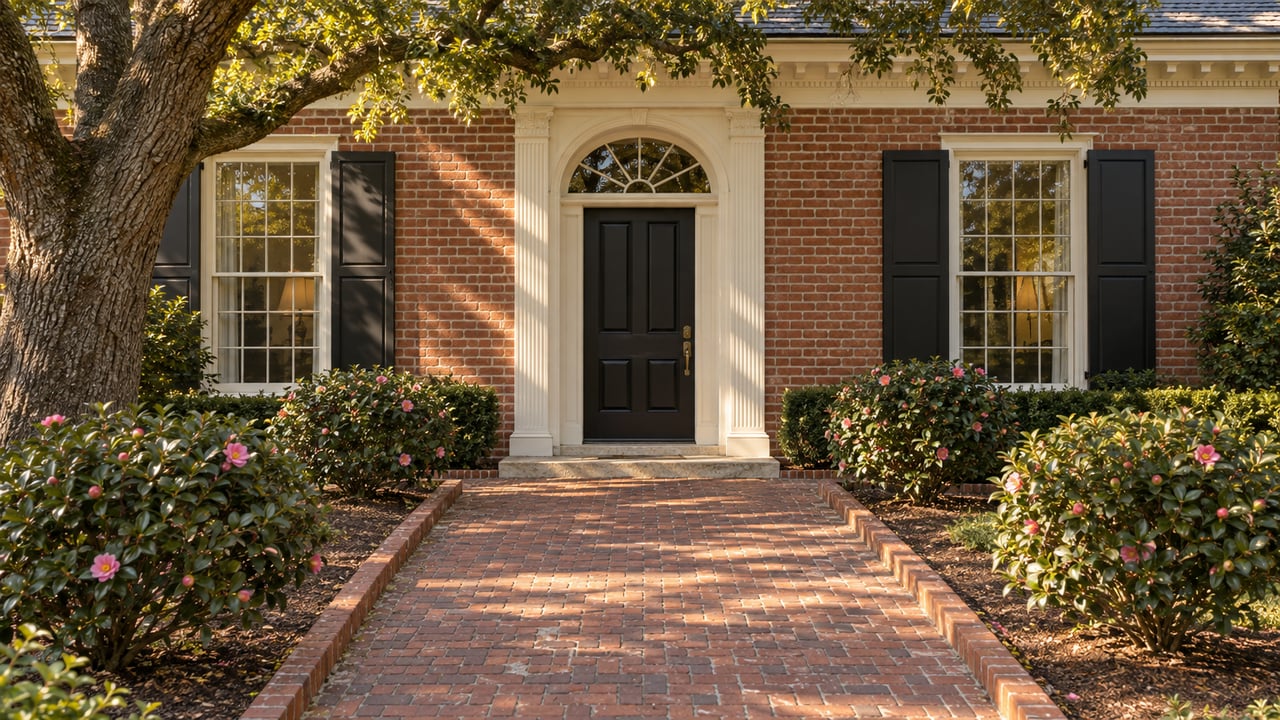
Established Fairhope neighborhoods often stand out for their architectural variety and strong sense of place. Near downtown and Mobile Bay, you may find historic cottages, bungalows, log cabins, and early- to mid-20th-century homes with front porches, mature trees, and shaded streets.
That older housing stock can create a look and feel that is hard to duplicate in a newer development. In areas like the Fruit & Nut District and along White Avenue, the appeal often comes from the setting as much as the house itself. If charm and neighborhood personality are high on your list, this is usually where buyers start.
Historic District Considerations
Fairhope has officially recognized historic districts and historic structures, including Downtown Fairhope, Bayfront, Montrose, and White Avenue. The city also has a Historic Preservation Commission and provides information on grants and tax credits for qualifying restoration work.
For you, that means an older home may come with more than just curb appeal. It may also involve added review, restoration considerations, or rules tied to preserving the property’s historic character. If you are considering a renovation project, this is something to verify early.
Lot Sizes and Neighborhood Layout
Established neighborhoods often have smaller or less uniform lots than newer planned communities. In close-in areas, lot shapes and sizes can vary from one home to the next, which adds character but can also mean less predictability.
For example, current listings in established Fairhope areas show lots around 0.206 acre, 0.30 acre, and 0.3705 acre. That variety can appeal to buyers who prefer individuality over a more standardized subdivision layout.
Pricing in Established Areas
One common misconception is that older neighborhoods are always more affordable. In Fairhope, that is not necessarily true. Prime location, historic appeal, and proximity to downtown or the bay can push prices well above the citywide median.
Current examples include an established Fruit & Nut cottage listed at $650,000, a White Avenue home estimated at $969,000, and another White Avenue home estimated at $1.148 million. A bayfront lot near the historic core also sold for $1.95 million, which shows just how much location can drive value.
Tradeoffs in Established Neighborhoods
Established areas usually offer character, mature landscaping, and convenient access to downtown and bayfront amenities. In return, you may give up some of the predictability that comes with newer construction.
You may also find that neighborhood governance varies more from property to property. Some listings in established areas show no HOA, but that should always be confirmed for the specific property. Buyers should also verify whether a property is connected to the Fairhope Single Tax Colony, since that can affect ownership structure.
Newer Neighborhoods in Fairhope
What Newer Communities Usually Offer
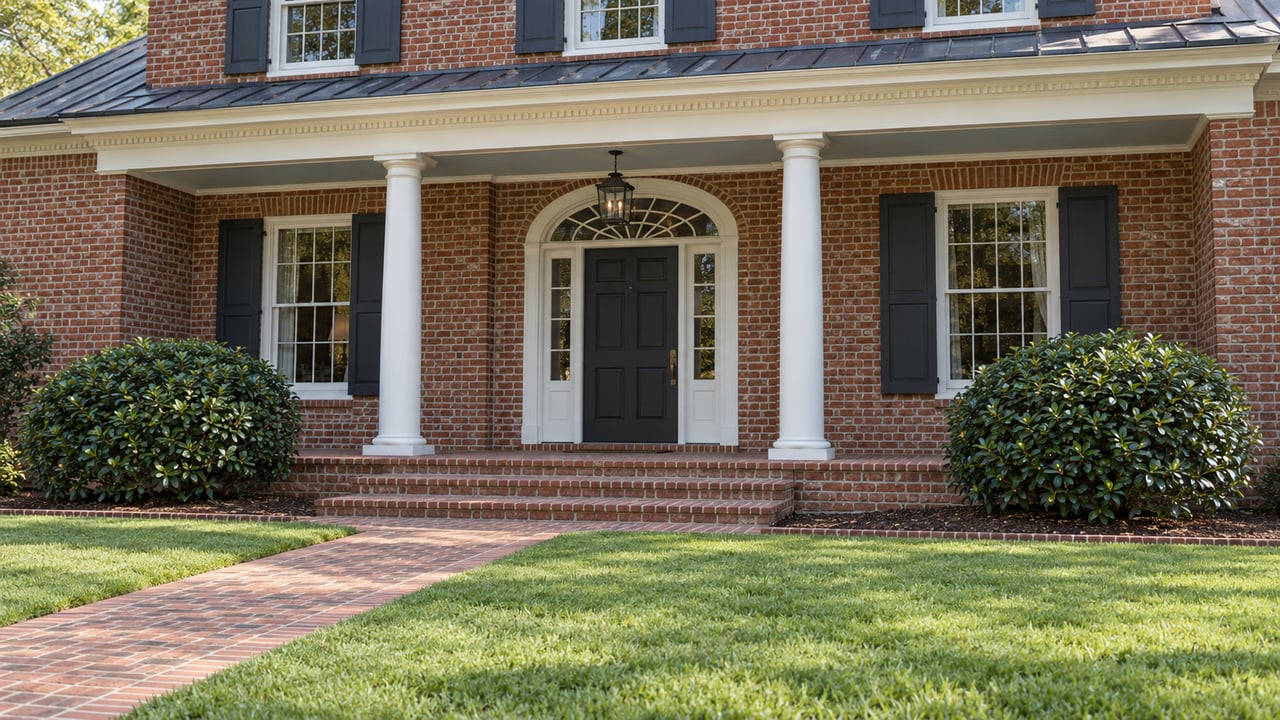
Newer planned communities in Fairhope often appeal to buyers who want a more structured ownership experience. You may find newer systems, more uniform streetscapes, sidewalks, shared amenities, and clearer maintenance expectations.
These communities can also provide a stronger sense of consistency from lot to lot. If you like having design standards, managed common areas, and organized neighborhood amenities, a newer development may feel like a better fit.
North Hills at Fairhope
North Hills is a strong example of a newer, highly managed custom-home community. It describes itself as a 100 percent custom home neighborhood with architectural standards, a builder’s guild, green space, landscaped common areas, three lakes, and an open-air pavilion.
It also shows the level of regulation that can come with newer communities. Its ARC guidance includes minimum home-size requirements of 2,600, 2,800, and 3,000 square feet depending on lot type, along with annual POA dues of $1,250. A current homesite example of about 0.551 acre is listed at $194,800, with monthly HOA fees shown at $105.
The Verandas
The Verandas offers another newer Fairhope option, but with its own local twist. The community says its first phases include 77 single-family lots bordered by 41 acres of wetlands, along with amenities such as a pool, stocked ponds, fruit trees, landscaped common areas, and raised garden beds.
A current listing there shows a 2022 craftsman-style home with 4 bedrooms, 3 baths, 2,760 square feet on 0.38 acre, priced at $800,000 with HOA fees of $150 per month. The community also includes estate-lot options, with official materials describing 3-to-5-acre lots for custom homes.
The Verandas is also important because of its ownership structure. The community states that purchases on Colony land involve ownership of improvements and a 99-year land lease through the Fairhope Single Tax Corporation. That is a major local detail to review early if you are comparing this neighborhood with others.
Old Battles Village
Old Battles Village works well as a middle-ground example. It is marketed as a new home community minutes from downtown Fairhope and includes amenities such as a pool, trail, park, and basketball court. Some listings also mention tennis and pickleball.
Current examples show homes around $609,900 to $624,900, with lots from about 0.24 to 0.38 acre and HOA fees around $83 per month. For buyers who want newer construction and shared amenities without stepping into a large estate-lot community, this type of neighborhood can be a practical option.
Tradeoffs in Newer Communities
Newer neighborhoods usually offer convenience and predictability. You are more likely to see consistent home presentation, coordinated landscaping, sidewalks, and organized common spaces.
The tradeoff is governance. HOA or POA fees, architectural review, and restrictions on exterior materials, fencing, driveway design, and landscaping are often part of the package. If flexibility matters to you, these rules deserve close attention before you buy.
Key Differences to Compare
Location and Walkability
Established neighborhoods usually have the edge if you want to be closer to downtown, the bayfront, or long-standing community amenities. That can mean easier access to parks, the pier, and daily outings in the heart of Fairhope.
Newer communities may still reflect the city’s walkable planning model, but they are often chosen more for internal amenities and neighborhood design than for immediate proximity to the historic core.
Home Style and Setting
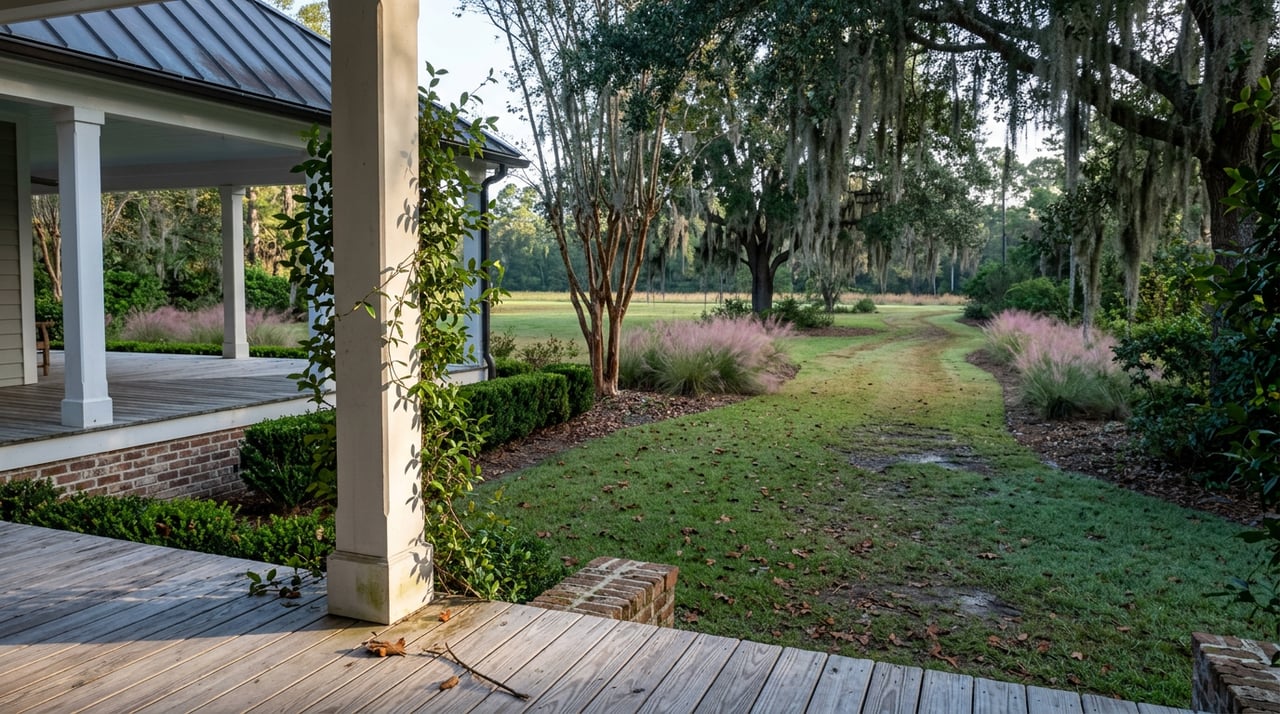
If you want porches, mature oaks, varied architecture, and a lived-in sense of place, established neighborhoods often stand out. No two streets feel exactly the same, and that uniqueness is part of the appeal.
If you prefer a more polished and coordinated look, newer communities usually deliver that better. Design review and community standards tend to create a more consistent visual environment.
Lot Patterns and Yard Flexibility
Older neighborhoods can come with smaller, irregular, or less predictable lots. That may be a plus if you value individuality and do not need a standardized lot layout.
Newer communities can range from traditional subdivision lots to much larger estate parcels. What matters most is reading the fine print, because lot size alone does not tell you how much freedom you will have to use it.
Costs Beyond the Purchase Price
In Fairhope, price differences are not simply about age. An older home in a sought-after close-in area may cost more than a newer one farther out, while a newer custom home in a high-end planned community may exceed both.
You should also compare recurring costs and ownership terms. HOA or POA dues, architectural requirements, and special land-lease structures can materially affect your long-term costs and decision-making.
Questions to Ask Before You Choose
Before you narrow your options, ask yourself a few practical questions:
- Do you want historic character or newer construction?
- How important is being near downtown or the bayfront?
- Are you comfortable with HOA or POA rules and fees?
- Do amenities like a pool, trails, lakes, or common green space matter to you?
- Do you want a more flexible lot, or a more managed neighborhood setting?
- Is the property in a historic district?
- Is the property on Fairhope Single Tax Colony land?
These questions often reveal the best fit faster than price alone. In Fairhope, the real decision is usually about lifestyle, governance, and location more than simply old versus new.
Which Neighborhood Type Fits You Best?
If you are drawn to walkability, mature landscaping, and homes with history, an established Fairhope neighborhood may be the better match. If you want newer systems, shared amenities, and a more predictable neighborhood framework, a newer community may make more sense.
Neither option is automatically better. The right choice depends on how you want to live, what kind of homeownership experience you want, and how each neighborhood lines up with your priorities.
If you want help comparing Fairhope neighborhoods at the street-by-street level, Bo Nichols can help you sort through the details and find the right fit for your goals.
FAQs
What is the main difference between new and established neighborhoods in Fairhope?
- Established neighborhoods usually offer more character, mature landscaping, and closer access to downtown or the bayfront, while newer neighborhoods usually offer newer homes, shared amenities, and more structured neighborhood rules.
Are established Fairhope neighborhoods less expensive than newer ones?
- Not always. In Fairhope, established neighborhoods near downtown or the bay can be priced well above the citywide median because location and historic appeal often carry a premium.
Do newer Fairhope neighborhoods usually have HOA fees?
- Many newer planned communities do. Current examples in Fairhope show HOA or POA fees ranging from about $83 per month to $150 per month, with some communities also listing annual dues.
What should buyers know about historic districts in Fairhope?
- Some Fairhope neighborhoods include recognized historic districts or historic structures, which can affect restoration plans, review requirements, and the overall ownership experience.
What should buyers know about Fairhope Single Tax Colony land?
- Some properties in Fairhope involve a different ownership structure tied to the Fairhope Single Tax Corporation, including cases where a buyer owns the improvements and holds a long-term land lease, so this should be reviewed early in the process.
Are newer Fairhope neighborhoods only small-lot subdivisions?
- No. Some newer communities include traditional neighborhood lots, while others offer much larger custom or estate-lot options, including lots in the 3-to-5-acre range.