Wondering whether a Gulf Coast condo is a smart fit for your lifestyle or investment plans? You are not alone. Condo ownership in Gulf Shores looks simple on the surface, but the details matter, especially when you factor in association rules, carrying costs, rental use, insurance, and coastal maintenance. This guide walks you through the big things to know so you can make a more confident decision. Let’s dive in.
Condo ownership works differently
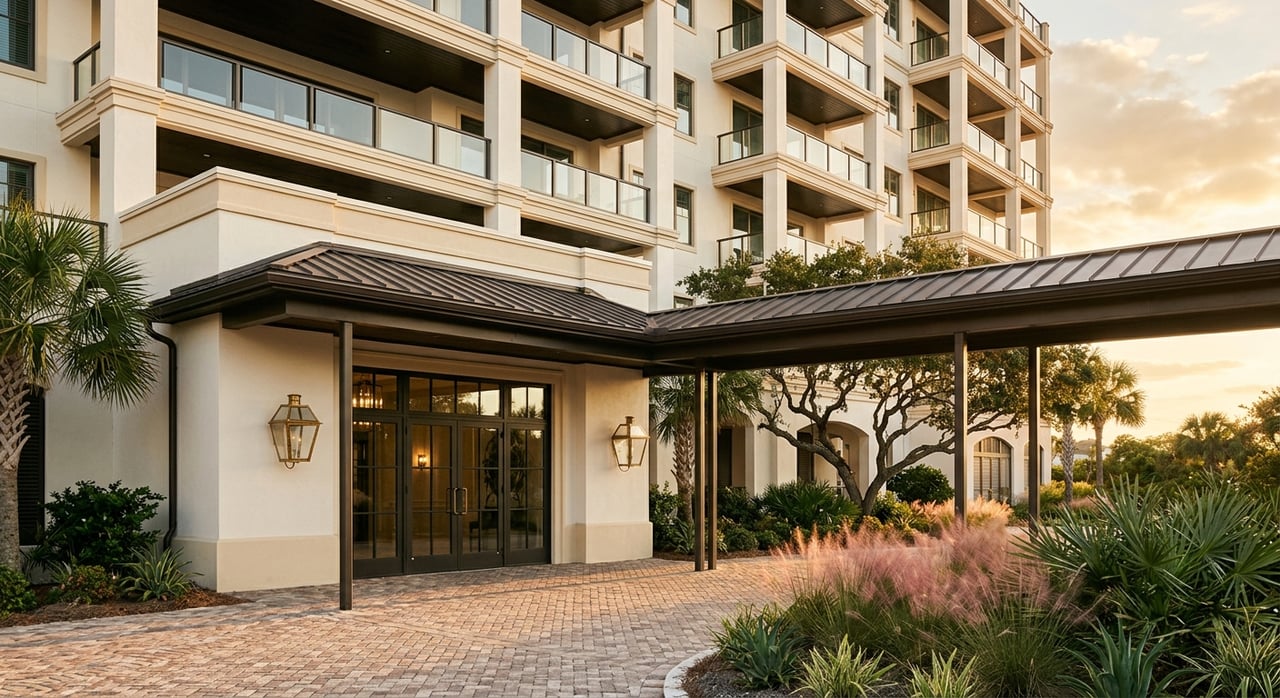
Buying a condo on the Alabama Gulf Coast is not just buying a smaller home near the beach. You are buying an individual unit plus a shared interest in the common elements of the property. Depending on the community, you may also have limited common elements reserved for the use of certain units.
That matters because your ownership is shaped by more than one set of rules. On the Gulf Coast, condo ownership typically sits under Alabama condo law, local city rules, and the community’s declaration, bylaws, and house rules. In some larger resort-style properties, there may also be a master association on top of the condo association.
For many buyers, the condo documents end up shaping daily life more than state law does. Those documents can cover things like maintenance responsibilities, rental limits, use of amenities, pet policies, and approval procedures. Before you buy, you want to know exactly what is allowed and what is expected.
Why condo documents matter
If you are comparing Gulf Shores condos, the floor plan and view are only part of the picture. The declaration, bylaws, and rules can affect how you use the property and what future costs may look like. Two units with similar features can feel very different once you read the association documents.
Under Alabama resale rules, a seller can be asked to provide key condo materials. That includes the declaration, bylaws, rules, and a certificate with information such as assessments, unpaid balances, budget details, lawsuits, insurance coverage, lease terms, and certain restrictions related to sale proceeds or casualty loss. This is one of the most important parts of your due diligence.
Fees and assessments are central
Monthly or quarterly condo dues are a core part of ownership on the Alabama Gulf Coast. These fees often help fund the association’s operating budget, common-area upkeep, reserves, and shared insurance. They are not just a convenience fee for landscaping or pool service.
Associations in Alabama generally have authority to adopt budgets, collect common-expense assessments, hire managers and contractors, and regulate maintenance and repairs of common elements. They can also levy fines after notice and an opportunity to be heard. If assessments go unpaid, they can become a lien on the unit.
That is why condo buyers should look beyond the current dues amount. A lower monthly fee may sound appealing, but if reserves are thin or major repairs are looming, the risk of a special assessment may be higher later. In a coastal market, that question becomes even more important.
What to review about condo finances
When you are evaluating a condo, focus on the financial health of the association as much as the condition of the unit. A few key items can tell you a lot about how the property is being managed.
- Current monthly or quarterly assessments
- Reserve funding and whether reserves appear adequate
- Any unpaid assessments tied to the unit
- Recent or pending special assessments
- Annual budget details
- Ongoing lawsuits or major disputes
- Shared insurance information
Alabama law also requires associations to keep financial records detailed enough to support resale disclosures, and those records must be reasonably available to unit owners and their authorized agents in the county where the condominium is located. That gives buyers a path to review the numbers before moving forward.
Rental use has two layers
If you are thinking about using a condo as a vacation rental, you need to look at both city rules and association rules. A city may allow a certain use, but the condo declaration can still restrict or regulate it. That is one of the biggest mistakes buyers make when they assume local permission means full flexibility.
In Gulf Shores, owners who rent property in the city’s corporate limits or police jurisdiction must submit a business-license application. The city says the owner remains responsible for tax compliance even if a management company handles the rental. Gulf Shores also applies lodging tax to short-term condo, house, and duplex rentals.
The city currently lists lodging tax at 16 percent in the corporate limits and 11 percent in the police jurisdiction. Gulf Shores also requires a local emergency contact, a safety inspection every three years, and a $45 short-term-rental fee. If rental income is part of your ownership plan, those requirements should be part of your math from day one.
Why association rental rules matter too
Even if city rules allow short-term rentals, the condo community may have its own restrictions. Some associations may limit lease length, set occupancy or guest rules, require registration, or regulate how owners and guests use common areas. Those policies can directly affect your income strategy and your day-to-day ownership experience.
This is especially important if you are comparing a personal-use condo with an investment-focused purchase. The right fit depends on whether you care most about flexibility, simplicity, or rental potential.
Maintenance and insurance work differently in condos
One reason buyers like condos is that they often reduce direct exterior maintenance responsibilities. In general, Alabama law places responsibility for maintenance, repair, and replacement of common elements on the association, while each owner is responsible for the unit unless the declaration says otherwise. Owners must also provide access through the unit when reasonably necessary for those tasks.
That can make condo ownership feel more streamlined than owning a single-family beach house. Still, shared maintenance does not mean maintenance is free. It means those costs are pooled through dues, reserves, and sometimes special assessments.
Insurance is another area where buyers need clarity early. Under Alabama law, the association generally maintains property insurance on common elements and liability insurance for common-element risks to the extent reasonably available. Owners may still want their own insurance for personal protection.
If there is property damage, the association generally handles repair or restoration of insured property. If costs exceed insurance proceeds, including deductibles or retentions, those costs are generally treated as a common expense unless the declaration says otherwise. In plain terms, major losses can still affect owners financially.
Flood risk deserves early attention
Flood coverage is a separate issue from many standard insurance policies. FEMA notes that most homeowners insurance does not cover flood damage, and flood insurance costs depend on factors such as location, construction, and replacement cost. On the Alabama Gulf Coast, that makes early review of flood exposure and insurance costs especially important.
If you wait until after you are under contract to understand flood-related costs, you may find the numbers change your comfort level. It is much better to evaluate those costs alongside dues, taxes, and expected use before you make an offer.
Amenities can add value and cost
The Gulf Coast lifestyle is a major reason condos are so popular in this area. Gulf Shores and Orange Beach promote 32 miles of sugar-white sand beaches, and Gulf State Park adds beaches, trails, kayaking, canoeing, a fishing and education pier, and other outdoor recreation. The park’s fishing information notes 2,448 feet of fishing space on the pier and more than 3 miles of beach for surf fishing.
For buyers, that means a condo’s value is often tied to more than the unit itself. Beach access, pools, fitness areas, parking, storage, and rental convenience all play into the overall experience. Those benefits can make ownership feel easy and enjoyable, especially if you want a lock-and-leave property near the coast.
Still, amenities are never free. The more a community offers, the more important it is to weigh those benefits against dues, insurance, reserves, and the long-term cost structure of the property.
How to think about the tradeoff
A condo can be a great match if you want shared amenities, less direct exterior upkeep, and a simpler ownership model than a standalone beach property. It can also be appealing if you want a property that may align with occasional personal use and possible rental use, depending on the community’s rules.
On the other hand, condo ownership means living within a shared framework. You will have dues, association documents, budgeting decisions made at the community level, and the possibility of special assessments. The best purchase is usually the one where the lifestyle and use case clearly justify the recurring costs and shared structure.
Smart questions to ask before buying
If you are serious about a condo in Gulf Shores, go into the process with a clear list of questions. That helps you compare properties more accurately and avoid surprises after closing.
- What do the dues cover?
- Are reserves well funded?
- Have there been recent or planned special assessments?
- Are there rental restrictions or approval requirements?
- What insurance does the association carry?
- What insurance will you likely need personally?
- Is the seller current on assessments?
- Are there active lawsuits or major disputes?
- What local rental licensing or tax rules apply to your intended use?
A condo purchase can absolutely be a strong move on the Alabama Gulf Coast. The key is to evaluate the ownership structure, not just the unit. If you want a steady, local guide to help you compare properties, review the right questions, and move forward with confidence, Bo Nichols is here to help.
FAQs
What does condo ownership in Gulf Shores actually include?
- Condo ownership generally includes your individual unit plus a shared ownership interest in the common elements, with some properties also having limited common elements reserved for certain units.
What documents should you review before buying a Gulf Shores condo?
- You should review the declaration, bylaws, rules, and the resale certificate with details on assessments, budgets, insurance, lease terms, unpaid balances, and any lawsuits.
What do condo dues usually cover on the Alabama Gulf Coast?
- Condo dues often help fund the association budget, common-area maintenance, reserves, and shared insurance, though exact coverage varies by community.
Can you use a Gulf Shores condo as a short-term rental?
- Possibly, but you need to confirm both city requirements and the condo association’s rules because either one can affect or limit rental use.
Why are reserves and special assessments important for condo buyers?
- Reserves help pay for future repairs and replacements, while weak reserves can increase the chance that owners will face special assessments later.
Does condo insurance cover flood damage on the Alabama Gulf Coast?
- Flood coverage is a separate issue, and most standard homeowners insurance policies do not cover flood damage, so you should review flood-related costs early in the process.
Who handles maintenance in a Gulf Coast condo community?
- In general, the association handles common elements, while the unit owner is responsible for the unit itself unless the condo declaration says otherwise.