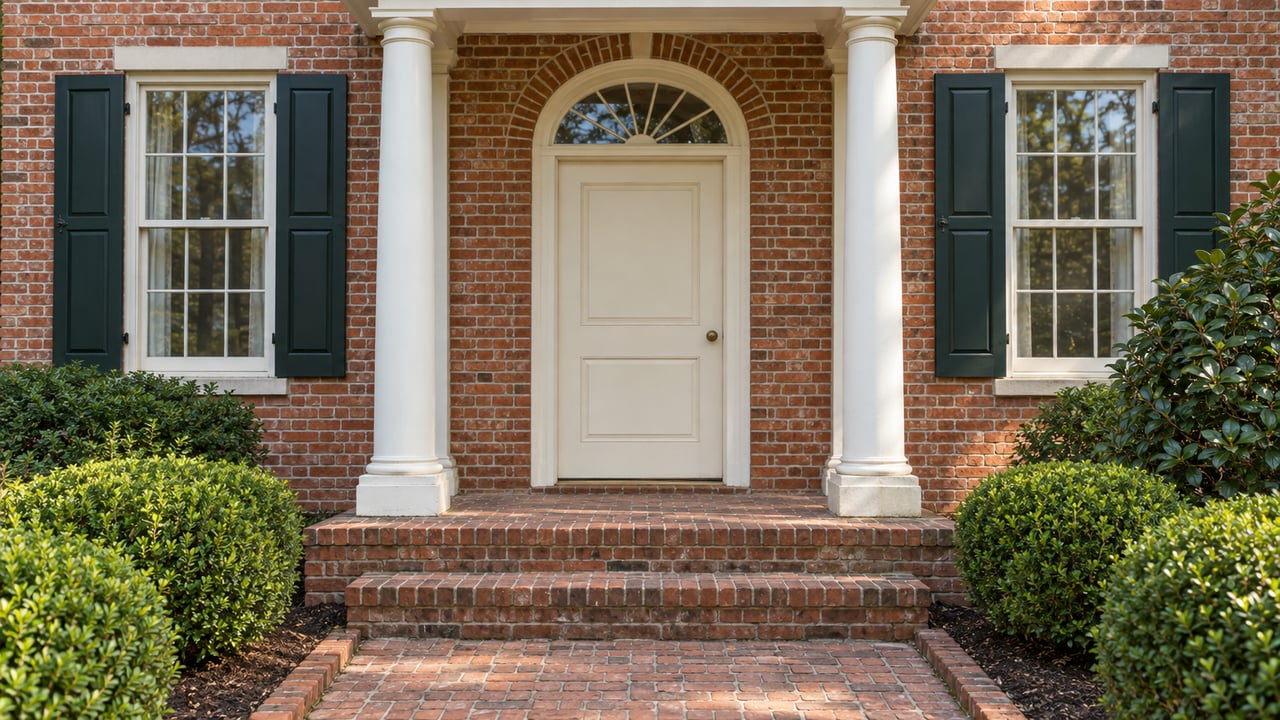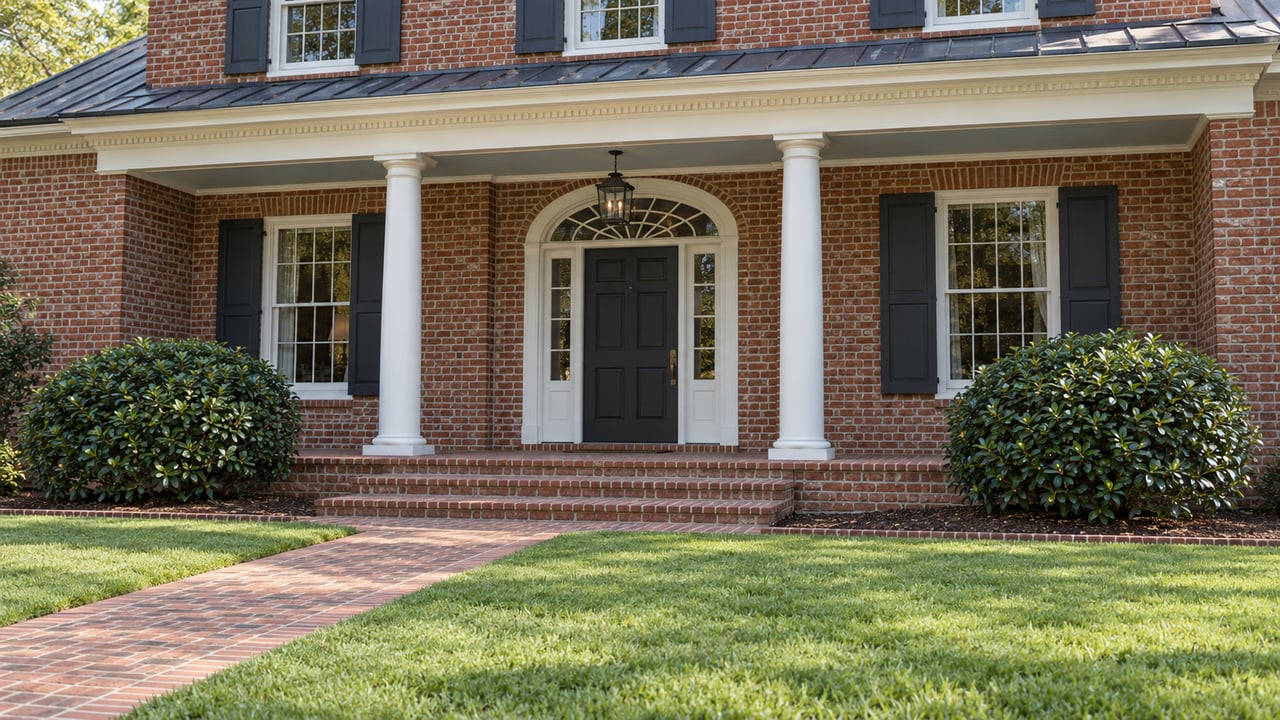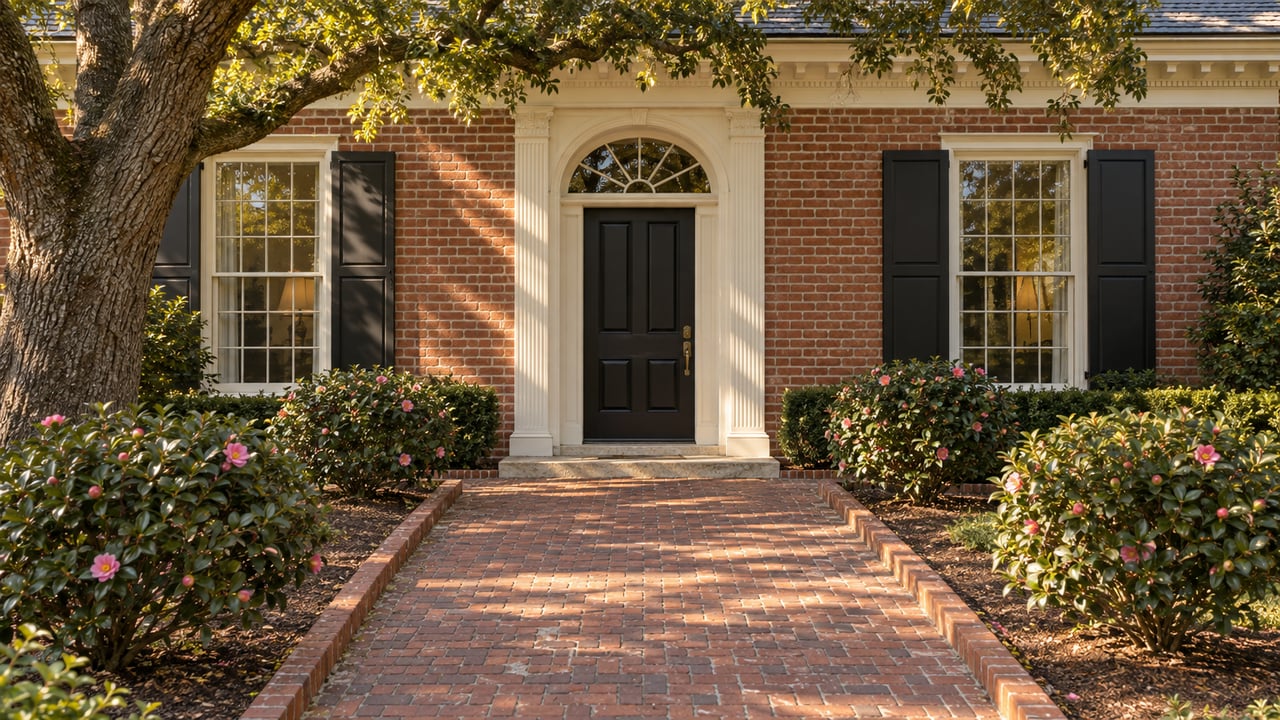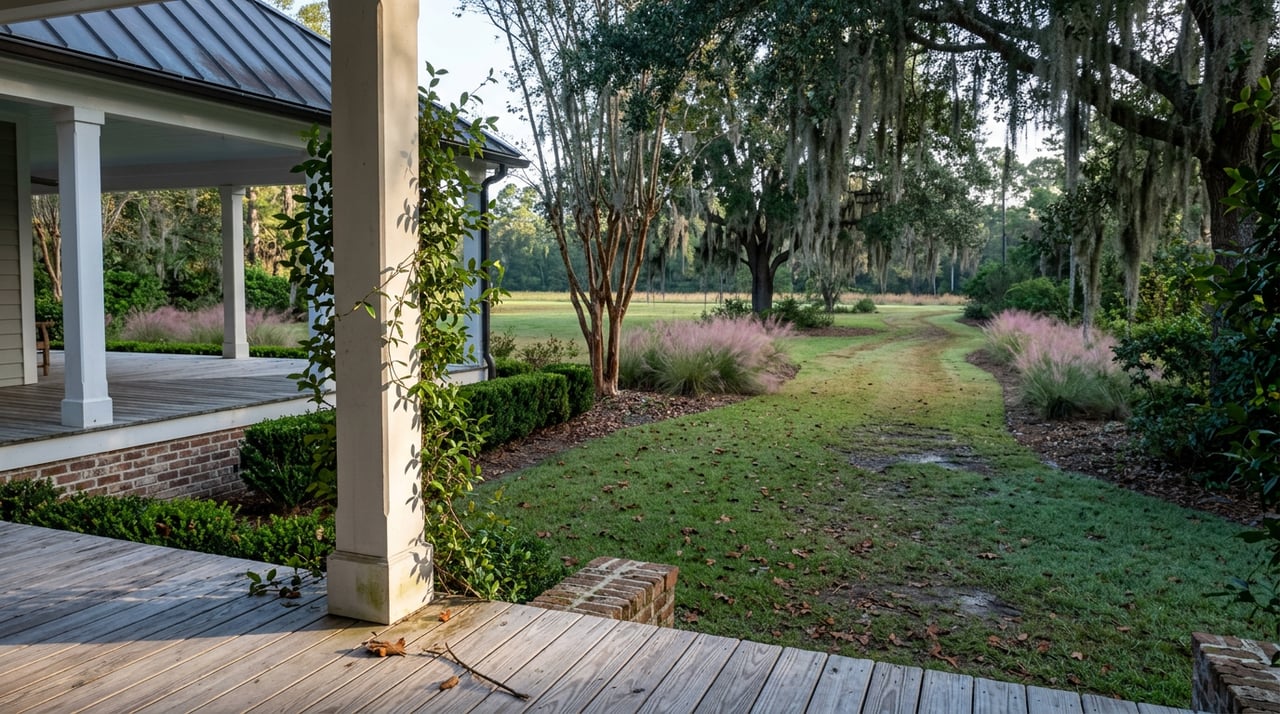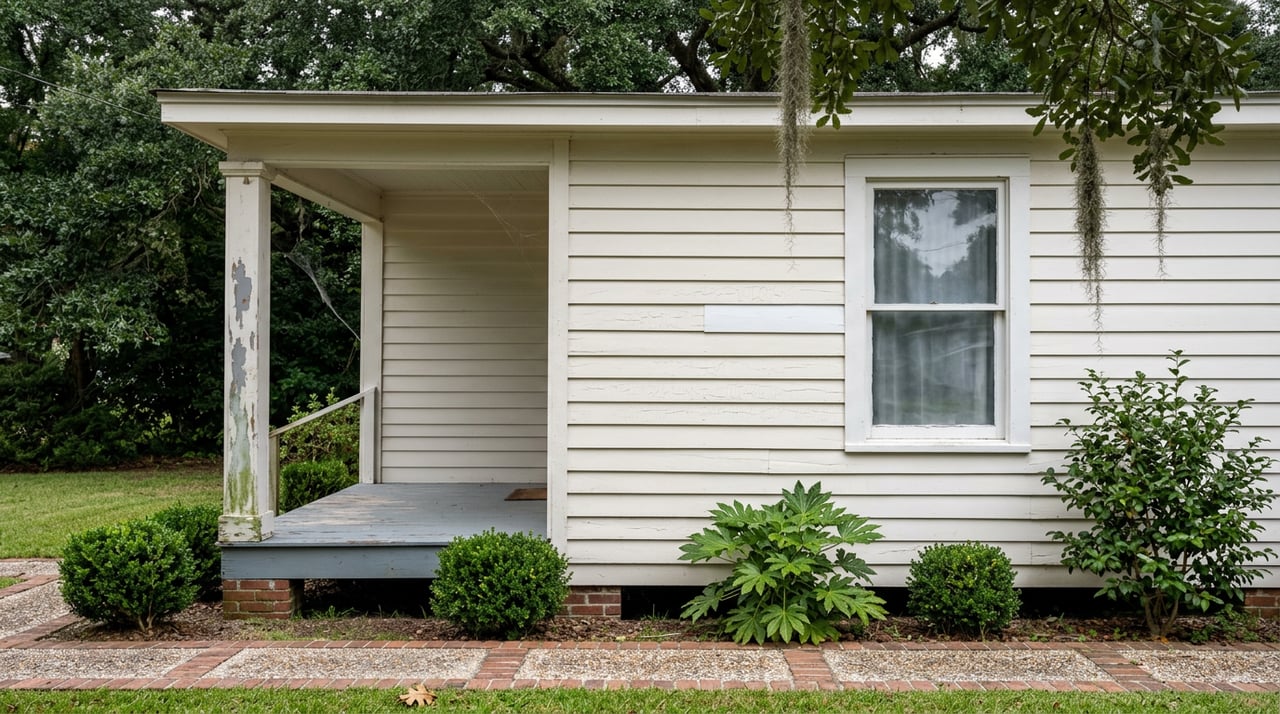
As the Fairhope Times reported, the Creole cottage on Main Street in Montrose, sometimes called Seven Gables or the Brainard/Breckenridge house, was built by William Brainard in 1855. It survived the Civil War, a string of hurricanes, and the better part of two centuries of Eastern Shore weather. The house later went on the market.
The buyer who came along was reportedly considering tearing it down and starting fresh on the lot. That's when the story stopped being an ordinary property transaction and became a useful lesson for anyone who wants to buy, sell, or renovate inside the Montrose Historic District.
The board said no to demolition. Except it didn't, not exactly.
According to a January 2026 report from the Fairhope Times, the Baldwin County Historical Districts Architectural Review Board declined to authorize immediate demolition of the Seven Gables house. What the board actually did was grant a six-month window to study alternatives: restoration, or relocating the structure elsewhere on the lot to make room for new construction.
That distinction matters more than it sounds like it should. The board didn't issue a permanent denial. It bought time. And in this case, time changed the outcome. By April 2026, WKRG News 5 reported that the new owner had no intention of tearing the house down after all. He told the station he was working with someone to move it to a different lot entirely, with plans to give the house to a local family once they secure land nearby. His own words to the station: "I'm doing everything in my power to protect this home."
Nobody forced that decision through a flat prohibition. The Baldwin County's Architectural Review Board Standards give the board a six-month window to study alternatives. That's the piece of the Montrose market that doesn't show up on a listing sheet, and it's the reason anyone circling a historic property here needs to understand what the review board can actually do, and what it can't.
What the board reviews, and what it leaves alone
According to Baldwin County's Architectural Preservation Review Board page, the board was created under a 1980 state act and oversees four historic districts across the county: Point Clear/Battles Wharf, Magnolia Springs, Malbis, and Montrose. Five members, appointed by the County Commission to five-year terms, meet as needed on the second Tuesday of each month.
Their authority is narrower than most people assume, and in one specific way it's broader than most people assume too.
What falls under review:
- Any new construction, renovation, relocation, or demolition affecting a structure over 200 square feet
- Exterior design and appearance, including front, sides, rear, and roof
- Textures and colors of the structure
- Site layout, including walls, walks, terraces, plantings, and accessory buildings
- Most signage on the property
What doesn't:
- Interior construction, renovation, or style, none of it
- Land use decisions, which the board has no authority over at all
That last point is easy to miss and worth sitting with. A Montrose property can clear the Architectural Review Board's process entirely and still run into a separate land use question down the line, because the board's charge is preserving exterior character, not deciding what a parcel is zoned to allow. Buyers who assume a Certificate of Appropriateness settles every regulatory question about a lot are working from an incomplete picture.
The board's stated goal isn't to freeze a district in one architectural era either. The county's own standards describe most historic districts as showing "an evolution of architectural styles and cultural trends," and note the review process emphasizes context and design elements rather than locking new work into a single historic look. That's useful for a buyer planning a sympathetic renovation rather than a museum-piece restoration.
The paperwork asks a question your inspection report won't
Anyone who applies for a Certificate of Appropriateness in a Baldwin County historic district fills out a form that asks, among other things, whether the building carries a county historic marker, sits on the National Register of Historic Places, or is listed on the Alabama Register of Landmarks and Heritage. The Montrose Historic District itself has been on the National Register since 1975, covering roughly 15 architecturally significant structures spread through the neighborhood.
That single checkbox on the application does more work than it looks like. A house that checks yes to any of those boxes is not a house where you quietly swap out windows or reconfigure the front elevation over a weekend. It's a house where exterior changes, additions, or a teardown all route through the same review process that decided the fate of Seven Gables.
What this actually means if you're the one under contract
If you're buying a character home in Montrose with plans to update it, or selling one and fielding offers from buyers who might want to build new, the review board timeline belongs in your planning from day one, not after closing.
A few things worth confirming before you write or accept an offer:
- Ask whether the property sits inside the mapped Montrose Historic District boundary. Baldwin County maintains district maps for exactly this purpose, and a few blocks can be the difference between a standard renovation and a Certificate of Appropriateness application.
- Build review time into your contract timeline. The board meets as needed on the second Tuesday of each month, and the Seven Gables case shows a study period alone can run six months. If your renovation or new-build plans require board approval, that's six months your financing, your contractor's schedule, and your own patience all need to survive.
- Separate the exterior question from the land use question. Getting a Certificate of Appropriateness approved doesn't automatically resolve zoning, setback, or use questions on the parcel. Those run through different county channels.
- Talk to the county planning office early, not late. Baldwin County's Planning Technician handles Architectural Review Board questions directly, and a five-minute call before you write an offer can tell you whether your renovation vision is a routine approval or a multi-month conversation.
None of this makes buying in Montrose harder than it's worth. It makes the timeline honest. A house like Seven Gables, tucked under live oaks that have outlasted a war and more hurricanes than anyone's bothered to count, comes with a process attached to it, and that process is part of what you're buying into, not an obstacle standing outside the transaction.
A few questions worth answering plainly
Does the review board control what I do inside the house? No. The board's authority is explicitly limited to exterior appearance. Interior renovations, layout changes, and finishes are yours to decide.
Can the board reject my plans for a pool, dock, or fence? Possibly, if the structure or feature affects the property's plot plan or site layout, both of which fall inside the board's review scope. Landscaping, walls, and accessory structures are all listed as reviewable elements.
If I want to demolish an old structure, can the board just say no forever? Not directly. As the Seven Gables case shows, the board's tool isn't a permanent veto. It's a mandated pause, in that instance six months, to study alternatives like restoration or relocation before any demolition moves forward.
Buying or selling a piece of Montrose's history means working with a process that rewards patience and specific local knowledge over guesswork. If you're weighing a historic property here, or wondering whether your renovation plans will sail through or need a longer runway, Bo Nichols has spent nearly two decades working these streets and can walk you through what a specific address actually requires before you're locked into a timeline you didn't plan for. Reach out to book a consultation or request a home valuation before you make your next move in Montrose.
This article is general information, not legal, tax or financial advice. Consult a qualified professional about your situation.