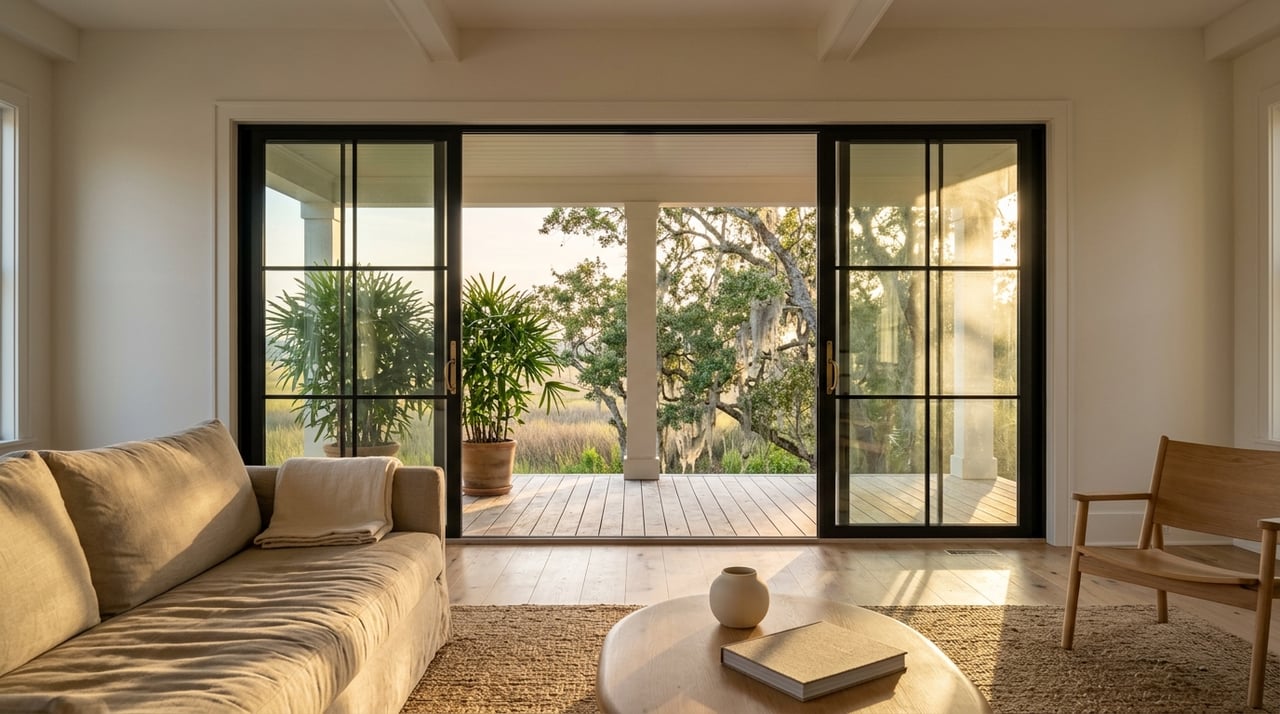
If you keep picturing a place where you can slip away to the coast, Gulf Shores probably makes that dream feel very real. A second home here can be more than a summer escape. It can be a personal retreat, a gathering spot for family and friends, and in some cases a property you may also use for rentals. If you are thinking about buying on the Alabama Gulf Coast, it helps to understand how this market works before you make a move. Let’s dive in.
Why Gulf Shores Appeals
Gulf Shores and nearby Orange Beach are known for 32 miles of white-sand beaches and a year-round tourism draw that goes well beyond peak summer travel. According to the area’s tourism research, visitors come for fishing, biking, shelling, events, and longer seasonal stays, including repeat snowbird travel. That makes the area appealing if you want a second home that feels useful in more than one season. You can explore more in the official Gulf Shores and Orange Beach visitor research.
The lifestyle also has range. The destination is promoted around outdoor recreation, local seafood, live music, and family-friendly attractions, which means your second-home experience does not have to revolve around beach weather alone. The official tourism site also points to a strong year-round identity, which matters if you want a home that stays active outside the hottest months.
What Homes You’ll Likely See
One of the biggest things to understand about Gulf Shores is that the coastal inventory is heavily condo-oriented. The official 2025 accommodations inventory lists 4,789 condo units in Gulf Shores and 9,576 condo units in Orange Beach, far more than the hotel category in either city. You can review that breakdown in the 2025 accommodations inventory report.
For you as a buyer, that usually means the second-home search starts with a lifestyle choice. Do you want the convenience and lower-maintenance feel that often comes with a condo, or do you prefer the privacy and space of a beach house? The local lodging mix commonly includes condos, beach houses, homes, and duplex-style properties, which gives you a good picture of the kinds of properties you may encounter.
Condo Or House?
A condo may appeal to you if you want a simpler lock-and-leave setup for weekend trips or seasonal use. Many buyers like the idea of arriving, enjoying the beach, and leaving without as much exterior upkeep to manage.
A beach house may be a better fit if you want more room, more privacy, or a layout that works well for larger gatherings. The tradeoff is that a stand-alone property can come with more hands-on maintenance, especially in a coastal environment.
How A Second Home Is Taxed
A second home in Baldwin County is not treated the same way as your primary residence. According to the Baldwin County homestead exemptions page, homestead exemptions apply only to a primary residence, and second-home owners are not eligible for that exemption.
That same county guidance also explains that use matters. Second homes fall under Class III property and are assessed at 10%, while income-producing rental property is assessed at 20%. In practical terms, if you plan to use the property only as your own getaway, that is one category. If you plan to rent it, the tax treatment changes.
This is one of the most important questions to answer early in your search. Before you buy, you should be clear about whether your goal is:
- A personal retreat for your own use
- A family gathering place used throughout the year
- A property you may also rent part-time
- A property intended to operate as an income-producing rental
What Renting In Gulf Shores Requires
If you think you may rent out your second home, it is smart to understand the local rules up front. The City of Gulf Shores says short-term rentals of condos, houses, and duplexes within the city’s corporate limits and police jurisdiction must meet local requirements.
According to the city’s rental license page, owners need a rental or business license, a local emergency contact, and a safety inspection every three years. The city also states that short-term rentals must handle lodging tax collection and remittance.
That does not mean renting is off the table. It simply means a second home with rental plans comes with added steps and responsibilities. If rental income is part of your plan, you should factor those operational details into your budget and decision-making.
Insurance And Flood Basics
Insurance is one of the most important parts of buying on the coast. Standard homeowners insurance generally does not cover flood damage. The National Flood Insurance Program explains that flood coverage is separate and that building and contents coverage can be purchased separately.
That matters because coastal buyers often need to think about flood risk early, not after they go under contract. Flood coverage may be required by lenders in Special Flood Hazard Areas, and new policies often have a waiting period before coverage starts. If you are considering a second home in Gulf Shores, flood insurance should be part of your early planning, not an afterthought.
Hurricane Season Planning
Owning a second home on the Gulf Coast also means planning around storm season. NOAA says the Atlantic hurricane season runs from June 1 through November 30, with peak activity usually coming in late summer and early fall.
For you, that means coastal ownership should include a realistic storm-prep mindset. You may want to plan for:
- Seasonal insurance reviews
- Storm preparation before travel or absence
- Occasional weather-related interruptions
- Extra maintenance tied to coastal conditions
This does not make Gulf Shores less attractive. It simply means you should buy with clear expectations and a plan that fits coastal ownership.
Think Beyond Summer
Many buyers start with a mental picture of peak beach season, but Gulf Shores is not just a summer market. The area’s events calendar includes year-round festivals, concerts, and fishing tournaments, which supports the idea of a second home that stays relevant throughout the year.
That year-round activity can shape how you use the property. Maybe you want long weekends in spring, family visits in summer, and quieter stays in fall or winter. Maybe you are also thinking about how personal use might line up with times when visitors are planning trips months in advance.
The local tourism research notes that condo and vacation-rental guests often plan farther ahead than hotel guests. That helps explain why many second-home buyers here think about personal enjoyment and rental demand at the same time.
Questions To Ask Before You Buy
Before you decide on a property, it helps to narrow your priorities. A second home can be a wonderful purchase, but the right fit depends on how you truly plan to use it.
Ask yourself:
- Do you want a personal getaway, a gathering place, or a property that may also generate rental income?
- Would you rather own a condo with a simpler maintenance profile or a beach house with more space and privacy?
- Are you comfortable budgeting for flood insurance and storm-related planning?
- Will you use the property throughout the year or mainly during peak travel periods?
- Are you prepared for the licensing and tax requirements that come with short-term rentals in Gulf Shores?
Clear answers to those questions can save you time, narrow your search, and help you buy with confidence.
Why Local Guidance Matters
Buying a second home is different from buying your primary residence. You are not just choosing bedrooms and square footage. You are weighing lifestyle, seasonality, insurance, taxes, and possible rental use, all at the same time.
That is where strong local guidance can make a real difference. When you have an experienced advisor helping you compare property types, understand the ownership details, and think through your goals, the process gets a lot clearer.
If you are exploring a second home on the Alabama Gulf Coast and want thoughtful, relationship-first guidance, connect with Bo Nichols. You can get clear answers, local insight, and steady support as you decide what kind of coastal property fits your goals best.
FAQs
What makes Gulf Shores a good place for a second home?
- Gulf Shores offers year-round appeal with beaches, fishing, biking, events, and repeat seasonal travel, which can make a second home useful beyond summer.
What property types are common for second-home buyers in Gulf Shores?
- Buyers will often see condos, beach houses, homes, and duplex-style coastal properties, with condos making up a large share of the local accommodations inventory.
How is a second home taxed in Baldwin County?
- Baldwin County says second homes are not eligible for homestead exemption and are assessed differently from primary residences, with second homes classified at 10% and income-producing rentals at 20%.
What are the rental rules for a second home in Gulf Shores?
- If you rent your property short-term in Gulf Shores, the city requires a rental or business license, lodging tax collection and remittance, a local emergency contact, and periodic safety inspections.
Do you need flood insurance for a Gulf Shores second home?
- Standard homeowners insurance generally does not cover flood damage, so you should review flood insurance needs early, especially if lender requirements or flood zones apply.
What should second-home buyers know about hurricane season in Gulf Shores?
- Hurricane season runs from June 1 through November 30, so buyers should plan for storm preparation, insurance review, and possible weather-related interruptions as part of coastal ownership.